
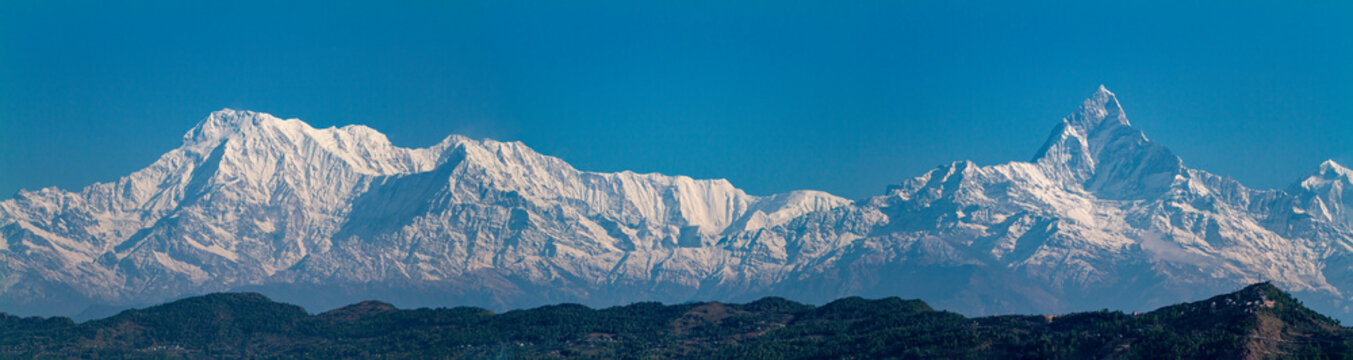
Trekking in Nepal offers breathtaking Himalayan trails, from Everest Base Camp to Annapurna Circuit. With diverse landscapes, rich cultures, and trails for all levels, Nepal is a trekker’s paradise. Popular seasons are spring (April-May) and autumn (September-November) for clear views and stable weather. Treks range from easy (Poon Hill) to technical (Manaslu). Permits, guides, and proper gear are essential for safety and compliance. Choose tea house or camping treks for an immersive experience in Nepal’s stunning mountains
Nepal is renowned for its world-class trekking opportunities, attracting adventurers to trails like Everest Base Camp, Annapurna Circuit, and Langtang Valley. With eight of the world’s highest peaks, including Mount Everest, Nepal offers diverse landscapes—lush forests, alpine meadows, and rugged Himalayan paths. Trekking seasons peak in spring (April-May) and autumn (September-November), offering clear skies and moderate temperatures, while winter and monsoon seasons suit budget travelers despite challenging conditions.
Treks vary in difficulty, from beginner-friendly routes like Poon Hill (5 days) to strenuous ones like Manaslu or Upper Mustang, requiring permits and guides. Tea house trekking, popular in Everest and Annapurna regions, offers basic lodges with meals, allowing trekkers to travel light. Camping treks, ideal for remote areas, require porters and gear but offer solitude and flexibility. All trekkers need permits, such as TIMS cards and National Park/Conservation Area permits, to support conservation and safety. Restricted areas like Upper Dolpa demand special permits and licensed guides\
Nepal’s cultural richness enhances the trekking experience, with opportunities to interact with Sherpa, Gurung, and Tamang communities. Sustainable tourism is emphasized, with agencies like Nepal Trek Hub promoting local guides and eco-friendly practices. Trekkers should prepare with proper gear (sturdy boots, layered clothing), travel insurance covering high-altitude risks, and physical training for high-altitude treks (above 18,000 feet). Hiring a local guide ensures navigation, cultural insights, and safety, especially in remote areas. With careful planning, trekking in Nepal promises an unforgettable adventure.
